Maintaining meaningful connections and daily routines is important for everyone, but it becomes increasingly more important for overall health and happiness as we age. Social interaction is not only enjoyable, but it plays a significant role in physical and emotional wellbeing for seniors.
For families and caregivers, understanding how to support seniors socially can make a profound difference in their quality of life and your peace of mind. With the help of compassionate in-home caregivers, families can create opportunities for engagement and structure that promote independence and happiness.
At All Seasons Homecare, a trusted provider of senior home care, caregivers work closely with families to help seniors stay socially active, maintain routines, and support long-term emotional wellness.
The Benefits of Socialization Related to Emotional Wellbeing for Seniors
The benefits of socialization go far beyond simple companionship. Research shows that loneliness and social isolation can increase the risk of health issues such as depression, heart disease, and even cognitive decline.
According to the National Institute on Aging, “everyone needs social connections to survive and thrive,” and older adults who experience isolation may face greater risks of poor health outcomes and earlier mortality.
Social interaction can improve mood, reduce stress, and strengthen self-esteem. Even simple activities like sharing a meal, taking a walk with friends, or attending a community event, can make a meaningful difference in emotional wellbeing for seniors.
For older adults who are receiving home care in Walnut Creek CA or home care Pleasanton, our supportive caregivers can help create opportunities for these interactions while maintaining comfort and independence at home.
Encourage Regular Social Interaction
One of the most effective ways to help seniors socialize is by encouraging regular interaction with friends, family, and neighbors. Staying in touch through phone calls, visits, or video chats can strengthen relationships and reduce feelings of loneliness.
A few simple ideas include:
- Scheduling weekly family visits or calls
- Attending community events or senior center programs
- Joining book clubs, walking groups, or hobby groups
- Sharing meals with neighbors or loved ones
Social activities also provide structure and routine, which can improve mental health and create something to look forward to each week.
Help Seniors Maintain Daily Routines
Routine provides stability and comfort for most people and this is especially true for older adults. When seniors maintain predictable daily habits such as waking up at the same time, exercising regularly, and eating meals on schedule, they often experience better physical and emotional health.
In-home caregivers can help support routines by assisting with:
- Morning and evening schedules
- Medication reminders
- Meal preparation and nutrition
- Light physical activity or walks
Consistent routines can help seniors stay engaged in everyday life and maintain a sense of independence. Structured activities can also prevent feelings of boredom or isolation which can lead to general unhappiness.
Promote Group Activities and Community Engagement
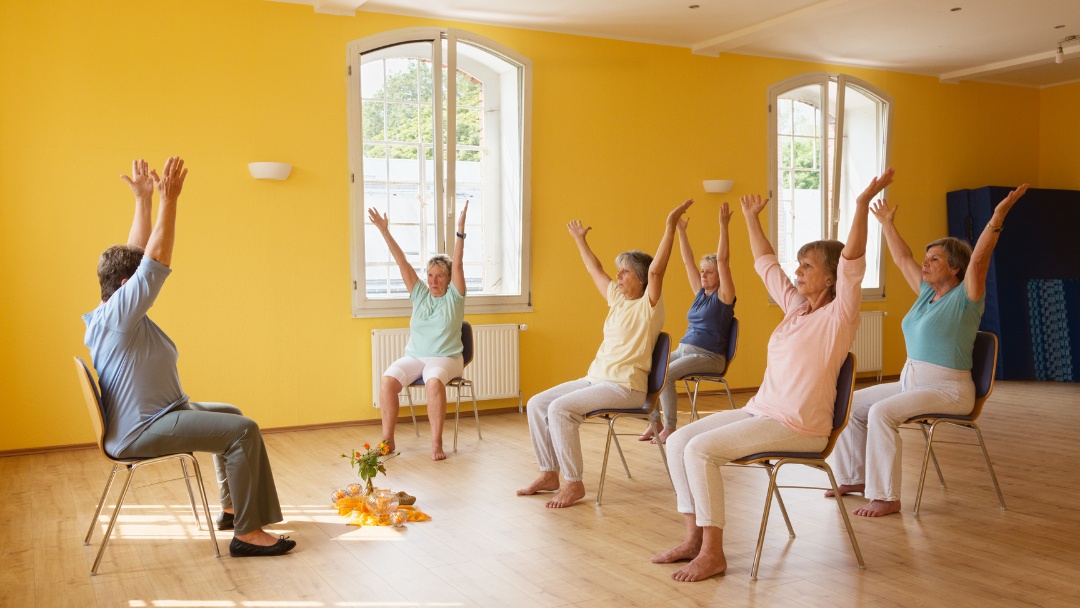
Group activities provide both social interaction and mental stimulation, and many seniors enjoy activities that combine conversation, learning, and movement such as
- Fitness classes like yoga, tai chi, or swimming
- Volunteer opportunities in the community
- Faith-based gatherings or cultural events
- Senior center activities and day trips
These experiences help seniors build friendships and feel connected to their communities. Participating in meaningful activities with others can also give seniors a deeper sense of purpose and belonging.
For seniors receiving senior home care, caregivers can assist with transportation, planning activities, and encouraging participation in local events.
Encourage Hobbies and Lifelong Learning
Reconnecting with hobbies, or discovering new ones is another great way to support social engagement. Activities like gardening, painting, reading groups, or music classes help stimulate the mind while creating opportunities for interaction with others.
The National Institute on Aging also recommends restarting old hobbies or taking classes to learn something new as a way for people to stay socially connected and mentally active. Creative and recreational activities also support cognitive health and can reduce feelings of stress and anxiety.
Use Technology to Stay Connected
Technology can be a powerful tool for helping seniors stay connected, especially when distance or mobility challenges limit in-person visits.
Examples include video calls with family members, online hobby groups or discussion forums, virtual religious services or community meetings, and messaging apps for daily communication.
Learning to use these tools can help seniors maintain social relationships and reduce feelings of isolation. Caregivers or family members can provide guidance and support when introducing new technology.
Provide Emotional Support and Companionship
It’s important to remember that emotional support is just as important as physical support, and compassionate caregivers provide companionship that helps seniors feel valued, heard, and understood.
Regular conversations, shared activities, and simple companionship can greatly improve emotional wellbeing for seniors. Research shows that meaningful social engagement and productive activities with others can boost mood and provide a stronger sense of purpose.
Professional senior care providers like our team at All Seasons often build trusting relationships with seniors and offer both emotional reassurance and practical support.
How In-Home Care Supports Social and Emotional Health
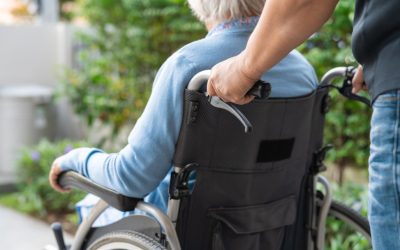
For many families, balancing daily responsibilities with caregiving can be exceptionally challenging, and professional in-home caregivers can offer a supportive solution by helping seniors stay active and connected while remaining in the comfort of their own homes.
At All Seasons Home Care, our caregivers focus on more than just physical assistance. Their goal is to enhance quality of life by encouraging social engagement, maintaining routines, and supporting your loved one’s emotional wellbeing.
Services may include things like:
- Companionship and conversation
- Assistance with outings and activities
- Help maintaining routines and healthy habits
- Transportation to appointments or social events
- Support with hobbies and recreational activities
Families who are searching for home care in Walnut Creek CA or home care Pleasanton often find that our personalized in-home care allows seniors to continue living independently while receiving the support they need.
Reach Out to Us to Get Support with Emotional Wellbeing for Seniors Today!
Social connection, daily routines, and supporting emotional wellbeing for seniors are all essential components of healthy aging. Caregivers can encourage social activities, maintain consistent schedules, and provide compassionate companionship, and families and caregivers can greatly enhance a senior’s quality of life.
If you are looking for professional senior home care that helps older adults stay connected and promotes better mental health, stronger relationships, and greater happiness, call us at All Seasons Homecare at (925) 363-4900.
Our team of dedicated caregivers is committed to helping seniors live fulfilling, socially connected lives, right from the comfort of their own home.